Call Center Agent Burnout: Smarter WFM Solutions

Virtual Agents and Chatbots, AI call center solutions, Reduce Call Center Agent Burnout

Facebook / Social Teaser

Is burnout quietly destroying your call center team?

High turnover. Disengaged agents. Plummeting CSAT scores. Sound familiar?

Our latest blog breaks down exactly how smart workforce management can reduce call center agent burnout — and why leading contact centers are making the switch to Q-Suite NG.

👉 Read the full article → [link]

#CallCenter #AgentBurnout #WorkforceManagement #QSuiteNG #Indosoft #ContactCenter #CustomerExperience #EmployeeRetention #CallCenterSoftware

Every contact center leader knows the feeling: a high-performing agent submits their resignation, and you’re left scrambling to backfill a role while the rest of the team absorbs the extra pressure. It’s a cycle that repeats itself endlessly — and it doesn’t have to.

To genuinely reduce call center agent burnout, you need to go beyond office perks and pizza Fridays. The root causes run deeper: unmanageable workloads, poor scheduling, repetitive tasks, and agents who feel unsupported in the moments that matter most. Industry research consistently shows that call center turnover rates hover between 30% and 45% annually — among the highest of any industry in the world. Modern workforce management platforms are proving that this doesn’t have to be the norm.


Why Call Center Agent Burnout Is a Growing Problem

Burnout rarely announces itself. It builds slowly — interaction by interaction, shift by shift — until one day an agent stops caring, and shortly after, stops showing up.

Several compounding factors drive this deterioration. Agents routinely absorb high call volumes without adequate rotation or recovery time, especially when consecutive interactions involve frustrated or irate customers. Poor scheduling compounds the problem: agents become overwhelmed during peak hours and underutilized during slow periods, both of which quietly erode morale. Meanwhile, outdated tools force agents to toggle between screens, manually log every interaction, and re-enter the same data repeatedly — a cognitive tax on an already demanding role.

Perhaps most damaging is the absence of real-time supervisor support. When agents feel isolated during live calls — without coaching, encouragement, or timely assistance — disengagement takes hold. And disengagement is almost always the first step toward resignation.


The Real Cost of Call Center Agent Burnout

The financial impact of agent burnout extends far beyond recruitment costs. Replacing a single agent typically costs contact centers between $10,000 and $20,000 — accounting for recruitment, onboarding, and the productivity gap during ramp-up. Multiply that across dozens of departing agents each quarter, and the numbers become staggering.

Beyond the direct costs, high turnover disrupts team cohesion, degrades service quality, and tanks customer satisfaction scores. The ripple effects touch every corner of the operation — and ultimately, they hurt revenue.


How Smart Workforce Management Helps You Reduce Call Center Agent Burnout

Addressing burnout effectively requires a multi-layered approach. Leading contact centers are turning to intelligent workforce management (WFM) software that tackles the problem from multiple angles simultaneously.

1. Intelligent Scheduling to Reduce Agent Burnout From Overload

Modern WFM platforms use advanced forecasting algorithms to predict call volume patterns with precision. Supervisors can build schedules that distribute work evenly, incorporate adequate break time, and prevent agents from being overwhelmed during peak demand windows. When schedules are built around an agent’s actual capacity — not just coverage requirements — stress levels drop noticeably and sustainably.

2. Task Automation That Fights Call Center Burnout at the Source

Automation is one of the most powerful levers to reduce call center agent burnout. By automating after-call work — including call logging, disposition coding, and follow-up scheduling — agents reclaim time and mental energy. Instead of grinding through administrative tasks after every interaction, they can focus on the human elements of customer service: empathy, problem-solving, and connection. That’s what makes the work meaningful.

3. Real-Time Dashboards and In-the-Moment Supervisor Support

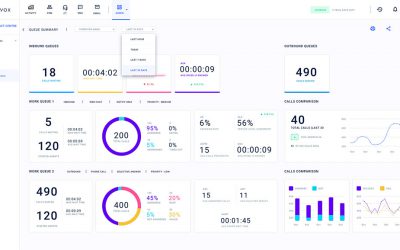
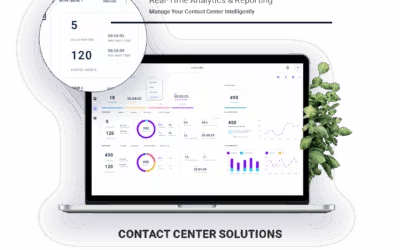
Waiting for a weekly review to address an agent who’s struggling is too late. When supervisors have access to real-time performance dashboards, they can spot warning signs as they emerge and step in immediately. Live queue monitoring, whisper coaching, and barge-in capabilities give supervisors the tools to support agents in the moment — not after the damage is done.

4. Gamification and Meaningful Performance Recognition

Recognition is a proven antidote to disengagement. Progressive contact centers are integrating gamification into daily workflows, turning performance milestones into visible, achievable goals with real rewards. Agents who feel seen and celebrated for their contributions are significantly more likely to stay engaged — and significantly less likely to walk out the door.

5. Omnichannel Flexibility to Ease Agent Burnout

Routing agents across voice, chat, email, and SMS channels introduces welcome variety into their daily work. Rather than handling the same type of high-intensity interaction for hours on end, agents move between channels — and the mental fatigue that comes from call-only monotony is reduced. Supervisors can also proactively shift agents to lower-intensity channels during high-stress periods, creating a built-in release valve before burnout escalates.


Warning Signs of Call Center Agent Burnout to Monitor

You can’t reduce call center agent burnout if you can’t see it coming. These key performance indicators are among the earliest signals that agents are struggling:

  • Average Handle Time (AHT) spikes — Burned-out agents take longer to resolve calls, often because they’re mentally exhausted or disengaged.
  • Increased after-call work time — A reliable indicator of cognitive fatigue and task avoidance.
  • Declining First Call Resolution (FCR) — Disengaged agents are less thorough and less invested in outcomes.
  • Rising absenteeism — Frequently the most visible and urgent early warning sign.
  • Falling CSAT scores — Burnout shows up directly in how customers experience your service.

By monitoring these metrics in real time, supervisors can intervene early — reassigning workloads, providing targeted coaching, and addressing issues before they escalate into resignation letters.


Building a Culture That Prevents Agent Burnout Long-Term

Technology is essential, but it isn’t sufficient on its own. To truly reduce call center agent burnout, contact centers must invest in a culture of recognition, transparency, and psychological safety. Agents need to believe — not just hear — that their feedback matters and their well-being is a genuine organizational priority.

Regular one-on-one check-ins, clear career progression paths, access to mental health resources, and honest communication from leadership all contribute to an environment where agents choose to stay and grow. Culture and technology work best when they reinforce each other.


How Q-Suite NG Helps You Reduce Call Center Agent Burnout

Indosoft’s Q-Suite NG platform is purpose-built for contact centers that take agent experience seriously. Q-Suite NG delivers intelligent inbound and outbound call routing, real-time supervisor dashboards, omnichannel communication tools, and deep workforce management capabilities — all within a single, unified interface.

With built-in reporting and analytics, supervisors gain immediate visibility into agent performance and workload distribution, enabling decisive action before burnout affects your team or your customers. Q-Suite NG empowers contact centers to create the balanced, supportive environment that today’s agents demand — and that today’s customers deserve.


Frequently Asked Questions

Q1: What are the most common causes of call center agent burnout?
The most common causes include excessive call volumes, poor scheduling, repetitive tasks, lack of real-time supervisor support, outdated tools, and insufficient recognition. Together, these factors create chronic stress that erodes agent motivation over time.

Q2: How does workforce management software reduce agent burnout?
WFM software reduces burnout by enabling smarter scheduling, automating repetitive after-call tasks, providing real-time workload visibility, and giving supervisors actionable data to support agents proactively — before stress escalates into disengagement.

Q3: What is the average turnover rate in call centers?
Call center turnover rates typically range from 30% to 45% annually — significantly higher than most other industries. Burnout is one of the leading drivers of this churn.

Q4: How can supervisors identify agent burnout early?
Key early indicators include rising Average Handle Time, increased absenteeism, declining First Call Resolution rates, lower CSAT scores, and longer after-call work times. Real-time dashboards help supervisors catch these signals before they become resignation letters.

Q5: What role does omnichannel communication play in reducing burnout?
Omnichannel routing gives agents variety in their daily interactions by distributing work across voice, chat, email, and SMS. This variety reduces the mental fatigue caused by repetitive, high-intensity call-only workloads.

Q6: Can gamification really help with agent retention?
Yes. Gamification creates a more motivating work environment by turning performance goals into visible, achievable milestones. Agents who feel recognized and rewarded for their progress are statistically more engaged — and far less likely to leave.

Q7: How does Q-Suite NG specifically address agent burnout?
Q-Suite NG provides intelligent call routing, real-time supervisor dashboards, omnichannel support, and deep analytics — all designed to balance workloads, reduce repetitive tasks, and give supervisors the tools to support agents in real time.

Q8: How long does it take to onboard Q-Suite NG?
Q-Suite NG is designed for efficient deployment. Indosoft’s implementation team works closely with each client to ensure a smooth onboarding process tailored to the size and complexity of the contact center. Contact us for a timeline estimate specific to your operation.


Ready to Reduce Call Center Agent Burnout for Good?

Your agents are your most valuable asset. When they thrive, your customers feel it — and your business grows because of it. Let us show you what Q-Suite NG can do for your contact center.

Schedule a personalized demo today and discover how Indosoft transforms agent experience from the ground up.


Published by Indosoft Inc. — builders of Q-Suite NG, the contact center platform designed for the modern workforce.

Book a Free Demo

Fill in the form below for a free consultation.