
Omnichannel Customer Engagement Trends for 2026

Omnichannel Communication, Inbound Call Center, Omnichannel Customer Engagement Trends

Facebook Teaser Post

Customer expectations are changing fast.

In 2026, customers expect smooth conversations across voice, chat, email, SMS, and social media — without repeating their issue.

Is your contact center ready for the future of omnichannel engagement?

Discover the latest omnichannel customer engagement trends and how businesses can stay ahead.

Read the full blog now.
Introduction

Customer expectations are evolving faster than ever. Today’s consumers want more than quick responses—they expect smooth, connected experiences across every communication channel. Because of this shift, omnichannel customer engagement trends are redefining how businesses interact with their customers in 2026.

Customers frequently move between voice calls, live chat, email, SMS, and social media. However, they expect companies to recognize them and continue the conversation without asking them to repeat information. Therefore, businesses that deliver a seamless experience across channels build stronger relationships and long-term loyalty. On the other hand, companies with disconnected communication systems often frustrate customers and overwhelm their agents.

For contact centers, understanding these expectations is essential. Without a strong omnichannel strategy, customer service teams may struggle to keep up with modern customer journeys.

Why Omnichannel Customer Engagement Trends Matter in 2026

Customer service interactions rarely happen on a single channel anymore. Instead, most customer journeys span several touchpoints before reaching a resolution.

For instance, a customer might begin with a social media message, then switch to live chat for clarification, and later call the support line for immediate help. If the contact center cannot track these interactions, the experience quickly becomes fragmented.

Because of these changes, omnichannel customer engagement trends emphasize unified communication systems. When contact centers connect their communication channels, agents can easily see the full customer interaction history.

As a result, businesses can deliver the following:

  • Faster issue resolution
  • More personalized service
  • Less customer frustration
  • Improved customer loyalty

Consequently, companies that follow omnichannel customer engagement trends are better prepared to meet the expectations of modern customers.

How Omnichannel Customer Engagement Trends Are Changing Customer Expectations

Modern customers expect service interactions to be as convenient as their everyday digital experiences.

For example, people often start shopping on their phones and finish the purchase on a laptop. Similarly, they may start a support request through chat and later continue the conversation on a phone call.

Therefore, customers expect businesses to support this natural channel switching. Unfortunately, many contact centers still rely on separate systems for each communication channel.

Common Omnichannel Customer Engagement Challenges

Because many organizations still use disconnected tools, several issues appear in daily operations:

  • Customer data spread across different platforms
  • Agents unable to view conversations from other channels
  • Customers repeating the same issue multiple times
  • Delays caused by manual transfers between teams

As a result, these challenges create friction in the customer experience. Additionally, they increase agent stress and reduce overall productivity.

Omnichannel Customer Engagement Trends Shaping Contact Centers

Forward-thinking organizations are actively adapting to omnichannel customer engagement trends by redesigning their contact center strategies.

Instead of managing each communication channel separately, modern contact centers now use unified platforms that centralize all interactions.

Key Omnichannel Customer Engagement Trends for 2026

1. Unified Customer Conversations

First, businesses are consolidating communication channels into a single interface. Because of this approach, agents can easily access the full history of customer interactions.

2. Intelligent Interaction Routing

Next, modern contact centers use smarter routing strategies. As a result, customer inquiries reach the most appropriate agent faster, regardless of the channel used.

3. Real-Time Customer Context

Additionally, agents now require immediate access to customer information and past interactions. Therefore, they can respond faster and deliver more personalized service.

4. Proactive Customer Engagement

Finally, many businesses are shifting toward proactive support. Instead of waiting for customers to contact support, companies can anticipate needs and offer assistance earlier in the journey.

Together, these omnichannel customer engagement trends help contact centers deliver smoother and more efficient customer experiences.

Turning Omnichannel Customer Engagement Trends Into Business Advantage

Adopting an omnichannel strategy involves more than simply adding new communication channels. Instead, the real value comes from integrating those channels into a unified system.

Successful contact centers focus on three major priorities.

Simplifying Agent Workflows

First, organizations must reduce the number of tools agents use daily. When agents manage fewer systems, they work faster and focus more on customer needs.

Delivering Consistent Customer Experiences

Secondly, customers expect consistent service regardless of the channel they choose. Whether they contact support through email, chat, or phone, the experience should remain smooth and reliable.

Using Data for Better Decisions

Finally, centralized communication data helps contact center managers identify patterns and improve service quality. As a result, teams can optimize staffing, training, and performance.

Because of these improvements, businesses that adopt omnichannel customer engagement trends gain a clear competitive advantage.

Preparing Your Contact Center for Omnichannel Customer Engagement Trends

Customer expectations will continue to evolve. Therefore, contact centers must prepare now to remain competitive.

Organizations that adapt to omnichannel customer engagement trends benefit in several ways:

  • Higher customer satisfaction
  • Faster problem resolution
  • Better agent productivity
  • Greater operational visibility

Ultimately, omnichannel engagement has become a core requirement for delivering modern customer service.

The Role of Q-Suite NG in Omnichannel Engagement

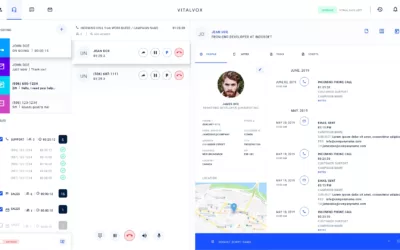
Indosoft’s Q-Suite NG platform helps contact centers adapt to modern customer expectations by supporting seamless communication across multiple channels. The platform enables agents to manage voice, chat, email, SMS, and other interactions within a unified environment. Because agents can instantly access conversation history and customer context, they can continue interactions smoothly regardless of the channel customers choose. As a result, businesses can improve service efficiency, strengthen customer relationships, and fully support the growing demand for omnichannel engagement.

Contact Us

Customer expectations will only continue to grow. Therefore, now is the time to ensure your contact center is prepared for the future of customer engagement.

Indosoft helps organizations modernize their contact center operations with solutions designed to support omnichannel communication, improve agent productivity, and enhance customer experiences.

Contact our team today to learn how Indosoft can help your business adapt to evolving omnichannel customer engagement trends. Request a demo and discover how your contact center can deliver seamless service across every communication channel.

Frequently Asked Questions (FAQs)

1. What are omnichannel customer engagement trends?
Omnichannel customer engagement trends refer to the evolving strategies businesses use to provide seamless communication across multiple channels while maintaining consistent customer context.

2. Why are omnichannel strategies important for contact centers?
They allow customers to switch between channels without losing conversation history, which improves satisfaction and reduces frustration.

3. What challenges do contact centers face with omnichannel engagement?
Many contact centers struggle with disconnected systems, limited customer visibility, inefficient routing, and inconsistent service experiences.

4. How do omnichannel platforms help agents?
They provide a single interface where agents can manage all interactions, making it easier to access customer information and respond quickly.

5. What benefits do businesses gain from omnichannel engagement?
Businesses typically experience higher customer loyalty, faster service resolution, improved agent productivity, and better operational insights.

6. How does Indosoft support omnichannel customer engagement?
Indosoft provides contact center solutions that unify communication channels and help businesses deliver seamless customer experiences.

Book a Free Demo

Fill in the form below for a free consultation.